-
The problem looked like a mold issue. It was not.
-
The surface problem: “Silicone is silicone,” right?
-
The deeper reason No. 1: TPU material vs silicone is not a price question
-
The deeper reason No. 2: The Shin-Etsu logo is not a grade certificate
-
The deeper reason No. 3: small silicone molds and silicone guns expose the mismatch
-
What this actually costs
-
The short version: a pre-check that would have saved us
The problem looked like a mold issue. It was not.
In March 2023, we ran a 2,400-piece order for a small silicone mold used in a medical device housing. The mold was cut, the silicone gun was set, and the first articles looked fine on the bench. Then the rejection report came back: tearing at the gate, sticky surfaces, and dimensional drift after cure. We scrapped 1,900 pieces. Total damage: about $4,300 in material, labor, and a six-day delay. I still kick myself for approving that purchase order without the cure data.
If you have ever stood over a small silicone mold wondering why the same process worked last month, you know the feeling. The obvious suspects are the mold, the operator, or the silicone gun. But after eight years handling silicone and polymer material orders, I have learned that the expensive problems usually start one step earlier: the material identity.
The surface problem: “Silicone is silicone,” right?
It is tempting to think you can swap any silicone for another. But “silicone” is a family, not a single spec. Hardness, cure system, viscosity, tear strength, compression set, and temperature range can all change the outcome.
‘Silicone is silicone’ ignores cure chemistry, hardness, and lot traceability.
This is where tpu material vs silicone gets dangerous. TPU is thermoplastic polyurethane. Silicone is a thermoset elastomer. They may both feel rubbery in your hand, but they do not behave the same under heat, compression, or chemicals. A small silicone mold that runs well with one may fail with the other.
We buy shin-etsu silicones, but not every pack with a Shin-Etsu logo is the same grade. The shin etsu logo tells you the brand. It does not tell you the lot, the cure, or whether the material was stored correctly.
The deeper reason No. 1: TPU material vs silicone is not a price question
People think silicone costs more because it is better. Actually, silicone can cost more because it is different. TPU has great abrasion resistance and can be very tough. For a snap-fit cover or a wear pad, TPU might be the smarter choice. But for a high-temperature seal or a medical molding that needs platinum cure, TPU is not a drop-in replacement.
Per Shin-Etsu Chemical’s silicone product overview (shinetsu.co.jp, accessed March 2025), Shin-Etsu’s silicone materials span liquid silicone rubber, millable silicone rubber, RTV, and specialty elastomers for automotive, electronics, and healthcare. That range exists because “silicone” is not one product. If your drawing calls for a Shin-Etsu grade, the grade number matters more than the brand name.
To be fair, I get why people go with the cheaper option. Budgets are real. But the hidden costs add up (like rework, scrap, and expedited freight). On a 2,400-piece run, a 15% material saving can disappear after one bad cure.
The deeper reason No. 2: The Shin-Etsu logo is not a grade certificate
I once ordered 150 kg of “Shin-Etsu” silicone from a broker. The Shin-Etsu logo looked right. The price was about 18% lower. We caught the problem when the second batch cured with a tacky surface. The lot number did not match the certificate of analysis, and the broker could not produce the original datasheet. That error cost $890 in rework plus a three-day production delay.
According to Shin-Etsu Chemical (shinetsu.co.jp), official product information and grade data should come from authorized channels. I cannot verify every broker’s supply chain. What I can do is check the paperwork: lot number, COA, shelf life, storage conditions, and the exact grade name. A logo is easy to copy. A traceable lot record is not.
Note to self: never approve a silicone PO without the COA again. I really should have put that on the checklist earlier.
The deeper reason No. 3: small silicone molds and silicone guns expose the mismatch
Small silicone molds have low tolerance for viscosity errors. If the material is too thick, it may not fill the corners before it starts to cure. If it is too thin, it may flash or trap air. A silicone gun can make this worse. A manual gun with the wrong nozzle or pressure can shear the material, introduce air, or give you inconsistent beads.
We have caught 47 potential material errors using a pre-check list in the past 18 months. Most were not dramatic. A wrong grade here, a missing lot number there. But those small errors are the ones that turn into scrap on a small silicone mold.
I have mixed feelings about cheap silicone guns. On one hand, they are fine for shop-floor prototypes. On the other, they can hide viscosity problems until the mold is already cut. I now keep a backup gun and a lot-number log next to the press.
What this actually costs
The March 2023 failure cost about $4,300. The broker batch cost $890. A different mix-up in September 2022—using a TPU sample instead of the specified silicone—led to a customer audit finding and a one-week delay. None of these were exotic failures. They were basic material identity failures.
Costs in this article are from our internal 2023–2024 order records. Verify current pricing and lead times with your own suppliers; rates and availability change.
The short version: a pre-check that would have saved us
I would rather spend 10 minutes explaining options than deal with mismatched expectations later. An informed customer asks better questions and makes faster decisions. Here is the short list I wish I had used from day one.
- Name the material family before you quote. Write down tpu material vs silicone. If the part needs heat resistance, chemical resistance, or a platinum cure, silicone is likely the family. If it needs abrasion resistance and can be thermoplastic, TPU may work. Do not let a generic “rubber” note decide it.
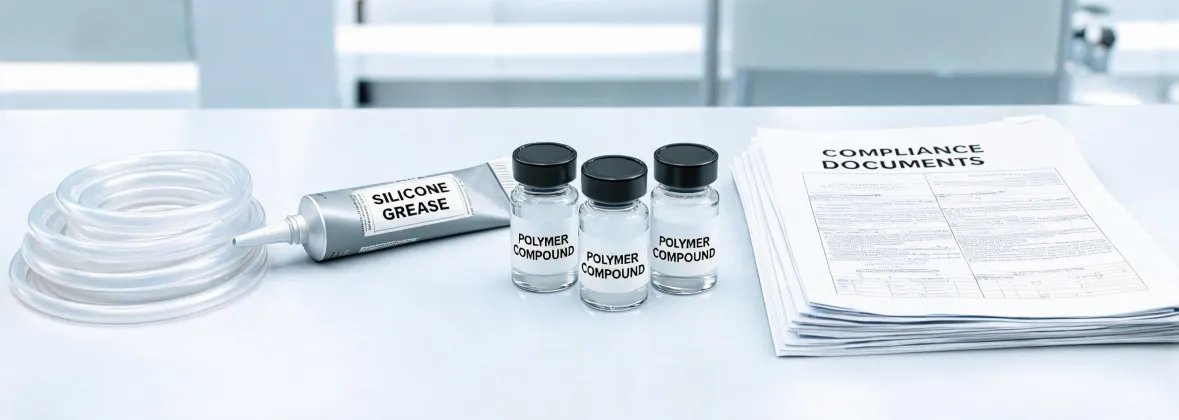
- Verify the Shin-Etsu paperwork, not just the logo. Ask for the grade name, lot number, COA, and datasheet. Check that the shin etsu logo matches the packaging and that the lot is traceable. If the answer is vague, stop.
- Run a small silicone mold trial with the actual silicone gun. Use the same nozzle, pressure, and cure schedule you will use in production. Check fill, flash, and tear at the gate. A bench test with a different gun proves very little.
- Match the grade to the cure and the equipment. A grade that works in a compression mold may not work in an LSR injection press. A RTV that works for potting may not work in a small silicone mold.
This worked for us, but we run low-volume industrial molds with a fairly stable process. If you are doing high-volume LSR injection molding or dealing with international brokers, your mileage may vary. My experience is based on about 180 material orders, mostly automotive and electronics. I can only speak to those contexts. If you are in food-contact or implantable medical devices, the validation requirements are a different world.
Granted, this requires more upfront work. But it saves time later. The goal is not to make purchasing slower. The goal is to keep a logo from replacing a specification. If you buy shin-etsu silicones, treat the grade, lot, and paperwork as part of the product. That is the lesson I paid $5,000 to learn.