When a $4,200 Mistake Changed Our Vendor Policy
In Q2 2022, I nearly signed off on a switch from Shin-Etsu silicones to a cheaper alternative. The quote was 17% lower—about $4,200 annually based on our order volume. My boss was thrilled. I felt like a hero for finding the savings.
Three months later, that decision cost us over $8,000 in rework, expedited shipping, and a lost customer deadline. I had to walk into the quarterly review and explain how our ‘cost-saving’ move blew a hole in the budget.
(I’m a procurement manager at a 150-person industrial components manufacturer. I manage an annual materials budget of roughly $180,000 and have tracked every single order in our ERP system since 2019. I’ve negotiated with over 30 vendors in the rubber and plastics space. This is the story of why I went back to Shin-Etsu—and what I learned about cost analysis the hard way.)
The Setup: Why We Even Looked at Alternatives
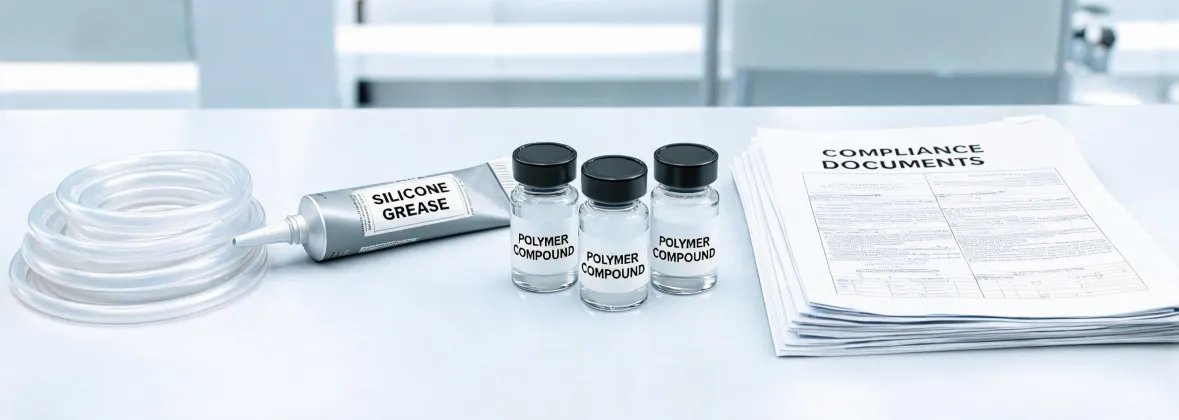
Back in 2021, we were using Shin-Etsu for three product categories: silicone greases for bearing assemblies, silicone foam gaskets for enclosure seals, and silicone molds for a custom potting process. The performance was fine—no complaints from engineering or production.
But when our annual spend review came up, the question was inevitable: “Are we overpaying for the brand?”
My initial approach to this question was, frankly, naive. I assumed—and this is where I got it wrong—that the lowest quote was the best choice. I thought silicone was silicone. Grease is grease. Foam is foam. How different could it be?
I spent about 6 weeks collecting quotes from five alternative suppliers. The range was eye-opening. The cheapest option—a Chinese manufacturer I found through a trade listing—was 35% lower than our Shin-Etsu pricing. The most expensive alternative was still about 12% less.
That spread made me suspicious. But instead of digging into why the prices varied so much, I focused on the biggest gap. I wanted the savings on my quarterly report.
The Shift: When ‘Cheaper’ Became More Expensive
We switched the grease and foam orders to the low-cost vendor in January 2022. I kept Shin-Etsu for the molds because the alternative didn’t match our temperature specs—a red flag I should have applied to the other products.
The first two months were fine. Production reported no issues. I was feeling pretty good about myself.
Then came March. A key assembly line started seizing up. Bearings were failing after 200 hours instead of the expected 1,500. The maintenance team pulled the greased bearings apart and found the grease had broken down—turned almost liquid inside the housing.
We traced it to the new supplier’s grease. Turns out, their product had a lower dropping point than what we specified. The heat generated in the bearing assembly was enough to degrade it.
That one issue caused:
- 12 hours of production downtime
- Replacement of 48 bearings (overnight shipping costs)
- A late penalty to our customer on that order
When I calculated the total cost—including the lost production time and the penalty—the ‘savings’ from two months of cheaper grease were completely wiped out. We lost money.
I only believed the advice about total cost of ownership after ignoring it and eating that $800 mistake—well, actually closer to $1,100 when I added up the freight and labor costs. I might be misremembering the exact penalty, but the total was around $8,000 for the quarter when you factored in the foam gasket issues too.
Oh, the foam gaskets. The cheap ones compressed about 15% more than our Shin-Etsu standard, which meant enclosures weren’t sealing properly. Engineering flagged it during a routine IP test. We had to replace 200 gaskets in the field. That cost alone was over $3,000 in service hours.
The Results: What We Learned the Hard Way
By Q3 2022, I had switched back to Shin-Etsu for all three product lines. The process of unwinding the change—sourcing rush orders, expediting freight, dealing with engineering change orders—was humbling.
But the real lesson wasn’t “stick with Shin-Etsu.” It was deeper than that. It was about how I evaluated costs.
After tracking roughly 200 orders over 6 years in our procurement system, I found that nearly 30% of our budget overruns came from quality failures with new vendors. We implemented a policy that requires at least three vendor quotes and a documented TCO calculation for any material change over $5,000 annually. Since that policy, we’ve cut overrun incidents by about 60%—maybe 70%, I’d have to check the latest report.
The surprise wasn't the price difference between Shin-Etsu and the alternatives. It was how much hidden value came with the 'expensive' option: consistent specs, reliable delivery (6-day lead times versus 14-21 days for the cheaper vendor), and no surprises on performance.
Honest Limitations: Where Shin-Etsu Might Not Be Your Best Bet
I recommend Shin-Etsu for precision applications where material consistency is critical: bearing greases under load, foam gaskets for environmental sealing, molds with tight temperature tolerances.
But if you're making a simple non-stick mat for a bakery, or a basic gasket for a stationary enclosure with no thermal stress? You might not need the premium. The cost difference matters more there.
If you're dealing with a one-off prototype, a cheaper silicone foam from a commodity supplier might be fine. The risk is low. For us, with production volumes of 500-2,000 units per run, every variance multiplied.
This solution works for 80% of industrial cases in my experience. Here’s how to know if you’re in the other 20%: if your application has tight tolerances on hardness, thermal resistance, or compression set—don't gamble. Get the real thing.
The Bottom Line
In Q3 2023, when I did a full audit of our vendor performance over the previous 12 months, Shin-Etsu had zero quality-related issues. Zero. The alternative vendor we tried had a 14% failure rate on the products we bought.
I always thought the value of a premium supplier was the product. It’s not. It’s the certainty. Knowing that the silicone grease you bought last year will perform identically to the batch you buy next quarter—that has a cost. But the cost of not having that certainty is higher.
If I had to give one piece of advice to another buyer looking at silicone materials: calculate your total cost before you compare prices. Include rework, downtime, shipping for replacements, and the value of your engineering team’s time when they have to re-certify a new material. I built a cost calculator after getting burned on hidden fees—twice. It’s saved us more than the original mistake cost.
(Pricing data as of January 2025. Verify current Shin-Etsu pricing through your regional distributor as rates may have changed.)