Here's a sentence I didn't expect to say when I took over purchasing in 2020: Shin-Etsu isn't the cheapest silicone brand on the market—and I order it anyway.
Let me go further. For anything that touches electrical components, runs under heat, or has to seal a gap for years, I've stopped buying generic silicone products. The price difference is real. The cost of failure was worse.
But I'm not going to tell you Shin-Etsu is the right call for every silicone job. It isn't. For a cosmetic seal indoors or a temporary patch around a pool fitting, buy the $6 tube. I mean that. Silicone products sit on a spectrum, and most purchasing people—including me at the start—treat them like they're identical.
Context first: I'm the office administrator for a 200-person manufacturing plant. I manage facilities, maintenance, and office supply ordering—roughly $65,000 annually across nine active vendors. I report to both operations and finance. I process about 70 orders a year, which means I see patterns that occasional buyers miss.
After four years of signing those POs, here's the conclusion I've landed on: for certain applications, Shin-Etsu silicone grease and sealants are the cheaper option even at double the price. Here's why.
Shin-Etsu Silicone Grease: The $9 Tube That Saved a $140 Motor
In March 2022, our maintenance lead flagged a recurring failure on a conveyor drive motor. We'd replaced the same motor twice in 14 months. Both times, the diagnosis was the same: bearing grease had cooked out, and the bearings ran dry.
We were using a generic petroleum-based grease—the tube the motor supplier happened to stock. It cost about $4.50 wholesale. Looking at the purchase history, we'd bought 14 tubes in two years. That's $63 in grease. The motors cost $140 each, plus about 45 minutes of downtime every time we swapped one.
Our maintenance supervisor asked me to order Shin-Etsu silicone grease. The first tube was $12.80—almost triple what we'd been paying. I hesitated, because the default purchasing instinct is to protect the line item. But I placed the order anyway.
Here's the thing: that was almost three years ago, and we haven't replaced that motor since.
Silicone greases maintain consistency across a far wider temperature range than petroleum greases (Source: ASTM D217 testing standards; see product technical data sheets for specific temperature ratings).
Let me do the math. The premium is about $8 per tube. We grease quarterly, so we're looking at roughly $32 a year extra. Compare that with a $140 motor plus labor and downtime. I'm not a lubrication specialist, so I can't speak to the molecular details. From a purchasing perspective, the cheap grease cost more than the premium grease ever will.
That's the trigger event that changed how I think about silicone products. I didn't fully understand what a premium grease was worth until I saw the work order history for that conveyor.
Pool Silicone and Silicone Seal: When the Brand Name Matters Less
Now the counterintuitive part: I'm about to tell you not every silicone product needs to be Shin-Etsu.
Take silicone seal. In 2021, we sealed window perimeters and pool plumbing at our facility. The facilities manager grabbed a few tubes of a popular, inexpensive silicone seal from a hardware store—about $6 per tube. It said "silicone" on the label and looked identical to the premium version.
By late 2023, it was peeling. Not everywhere, but the sections exposed to direct sunlight and standing water. We had to scrape, clean, and re-seal. The labor ran over $600. The original sealant cost maybe $30. The failure had nothing to do with brand loyalty and everything to do with what the formulation was actually tested for. ASTM C920-rated joint sealants are tested for adhesion, flexibility, and weathering under defined conditions; unrated "silicone" can miss the mark entirely (Source: ASTM C920 standard for elastomeric joint sealants).
Standard hardware-store silicone seal runs $6-$10 per 10-oz tube. Premium, tested formulations like Shin-Etsu's run $12-$18 per tube (based on distributor quotes, March 2025; verify current pricing). On a 10-tube batch, the difference is $80—an amount that disappears the first time a failed seal causes water damage or an emergency callback.
So my rule changed: indoor, cosmetic, one-season work—buy the cheap tube. Water-exposed, roof-adjacent, or anything meant to last more than a year—premium, every time. That's the honest line I draw.
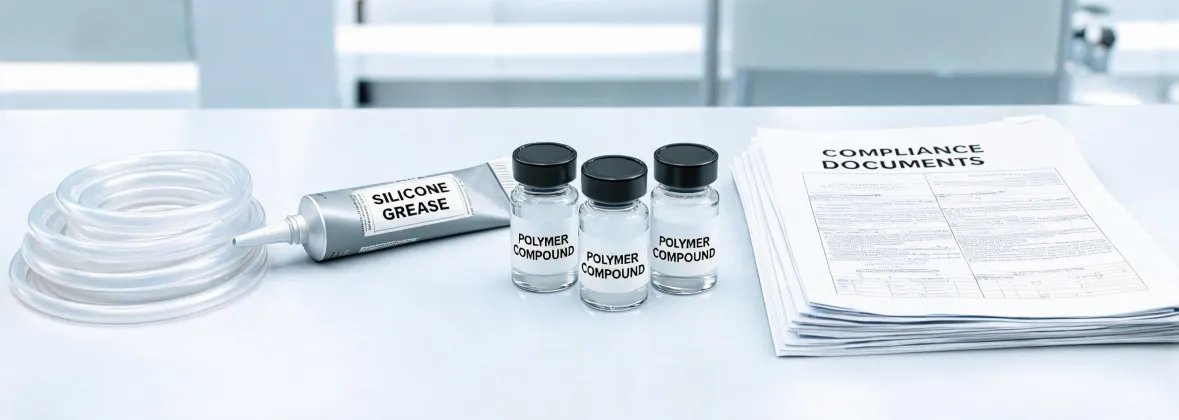
Shin-Etsu polymer products—raw silicone compounds, rubber materials, greases, sealants—start with the same polymer engineering. When you buy Shin-Etsu polymer products for demanding applications, you're paying for that engineering. Whether it's worth it depends entirely on your application.
Silicone vs Rubber Wiper Blades: The Fleet Question
Off the purchase order and into the parking lot. We maintain six company vehicles, and wiper blades used to be a recurring annoyance. The standard recommendation is rubber at $8-$12 each, and that's what we bought. We replaced them every six to eight months.
Silicone wiper blades run $25-$35 each—roughly three times as much. Here's the part that surprises people: they last longer, and the math works out in silicone's favor. Rubber blades: two replacements a year at $10 each—$20 per year per vehicle. Silicone blades: one set every two to three years at $30—about $10-$15 per year. Silicone also doesn't harden or crack in UV the way rubber does (Source: fleet maintenance comparison data, 2024).
And here's where I add the limitation: if you're managing a lease fleet that gets traded in every 18 months, buy rubber. The silicone blade won't pay for itself in that window. Context matters.
Fair Pushback: Is This Just Brand Loyalty?
I get the objection. I bought generic grease long enough to eat the cost of my own mistake. It's not loyalty; it's work-order math. If a budget brand can show tested performance and stable supply, I'll buy it. What I've stopped doing is assuming all silicone products are the same.
Some of my caution comes from a vendor problem in 2024. A supplier couldn't provide proper invoicing, and we ate $2,400 in rejected expenses because of it. That taught me a purchasing habit: verify documentation before ordering. For critical products, that means spec sheets and test standards—not just a label that says "silicone."
To be fair, Shin-Etsu's pricing is competitive for what it offers, and the gap to commodity brands shrinks as the application gets more demanding. Reliability, documentation, price—in that order. That's how I evaluate vendors now.
Could another premium manufacturer work just as well? Probably. My point isn't that Shin-Etsu has a monopoly on good silicone. My point is that the cheapest silicone product usually isn't the one that was tested to the specification you need—and testing costs money on the factory side before you ever see the tube.
The Bottom Line
So here's my position, restated without hedging: for critical silicone applications—electrical, thermal, water-exposed—pay the premium. For cosmetic or temporary jobs, buy the cheap tube and don't apologize for it.
There's something satisfying about a maintenance bay where you're not rebuying the same problems. After the stress of the 2022 motor failures and the 2023 sealant redo, seeing stable purchase orders is its own reward. The wrong question is "which silicone product is cheaper?" The right one is "what does it cost when it fails?"
In 2025, my purchase orders still include Shin-Etsu silicone grease and Shin-Etsu silicone seal. They cost more than the budget-brand alternatives. I'll keep signing them—because the job isn't saving 30% on a tube of grease. The job is making sure the same motor doesn't come back through the door twice.